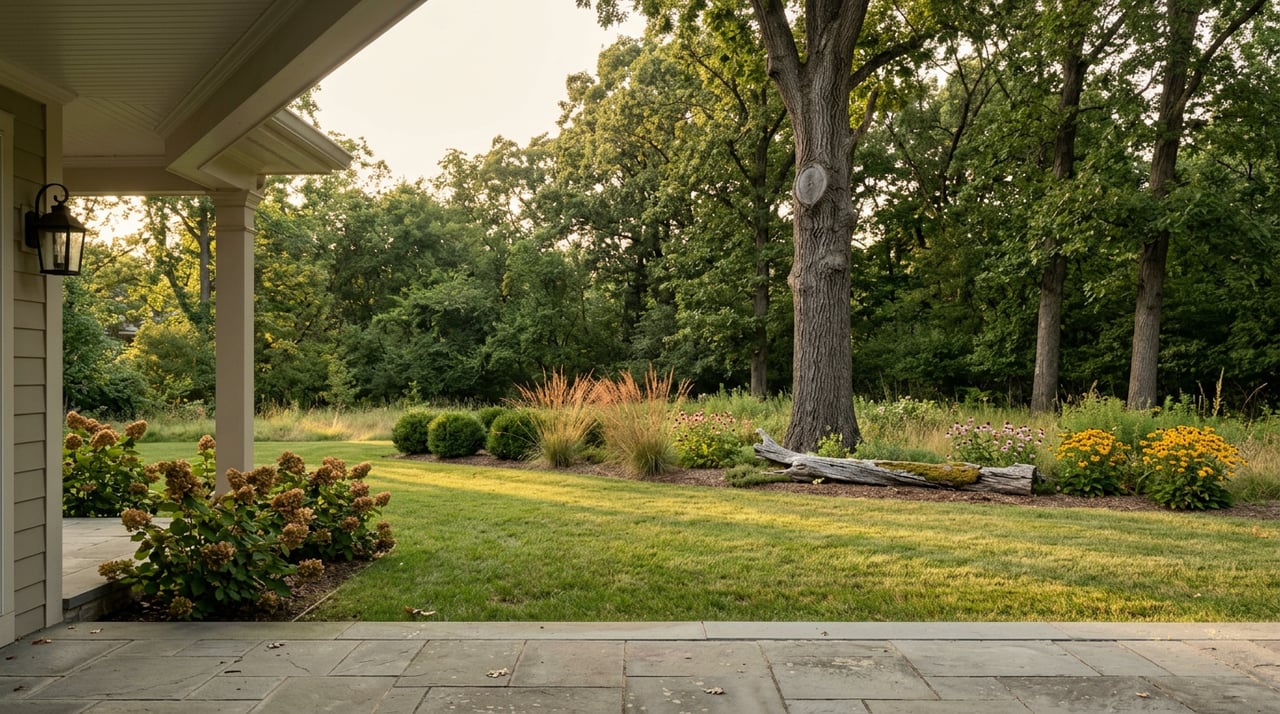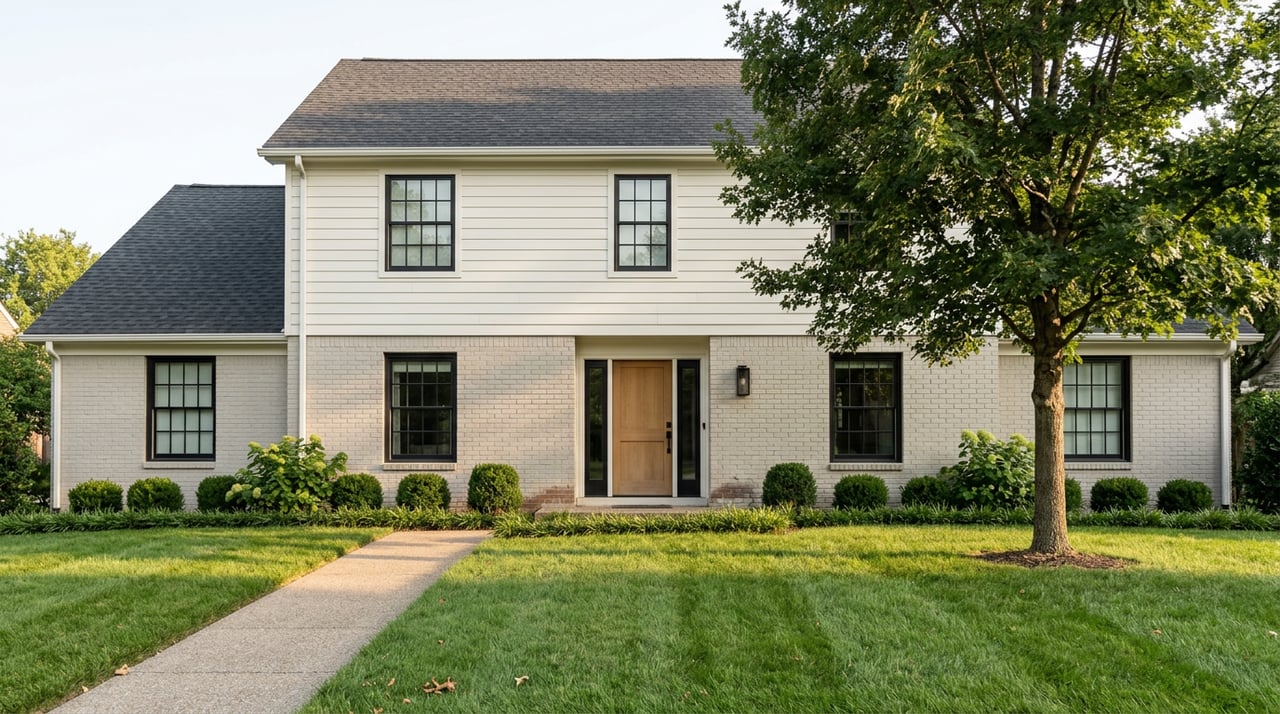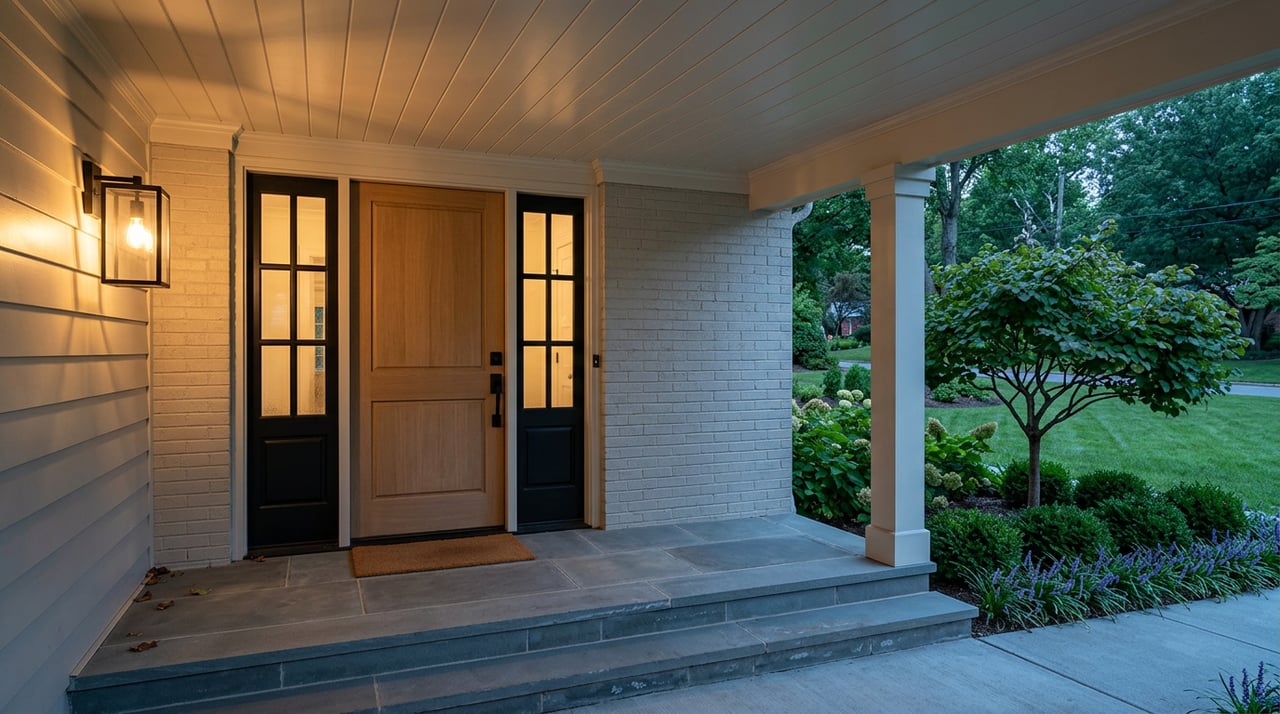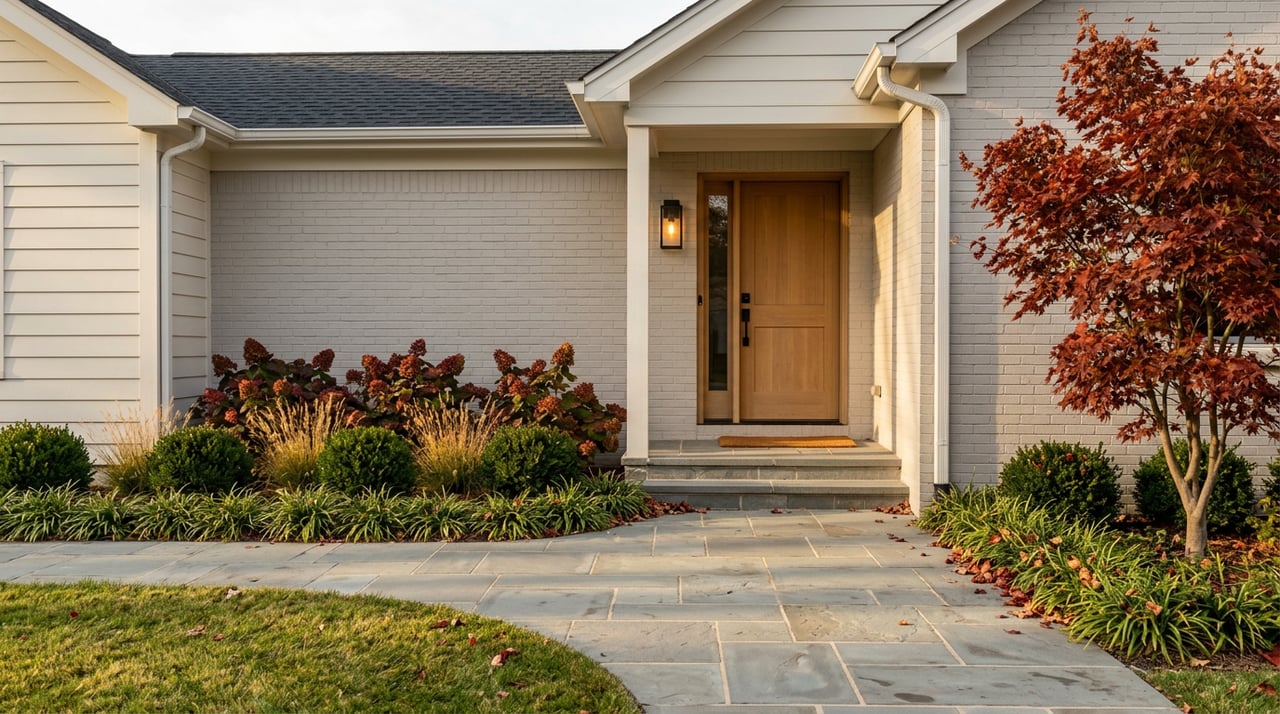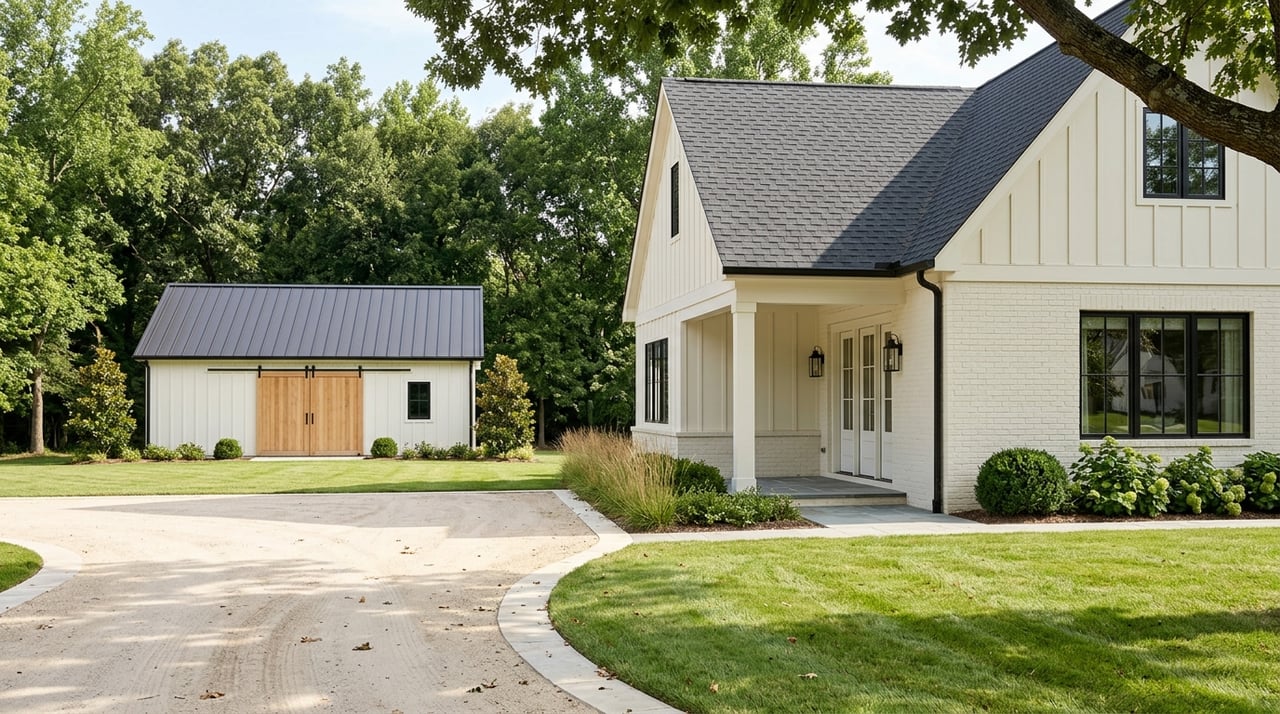
If you are dreaming about a Franklin home with land, the acreage itself is only part of the story. A beautiful setting can absolutely support the lifestyle you want, but the real value often comes down to zoning, infrastructure, and how usable that land really is. If you want to buy smart now and protect resale later, a little upfront homework can save you major frustration. Let’s dive in.
Start With Zoning First
When you buy a home with land in Franklin, one of the first things to confirm is whether the property is inside city limits or in unincorporated Williamson County. That matters because Franklin and Williamson County follow different zoning rules, and those rules shape what you can do with the property.
For a quick starting point, buyers can review the Williamson County GIS and zoning resources noted in the local zoning materials. In practical terms, the parcel’s jurisdiction often matters more than the total number of acres listed in the marketing remarks.
Franklin City Acreage Districts
Within Franklin, acreage properties may fall into districts like AG or ER. According to the Franklin Zoning Ordinance, the AG district is intended for farming, agricultural uses, larger-lot single-family homes, and open space, with a 15-acre minimum lot size.
The ER district is designed for estate-sized lots and rural character, with a 2-acre minimum lot size. If you want a few acres for privacy and elbow room, ER or county acreage may be the more realistic fit than city AG, since AG starts at a much larger size.
Williamson County Rules Matter Too
In unincorporated Williamson County, you may have more flexibility, but not unlimited freedom. The Williamson County zoning ordinance sets rules for where accessory structures can go, how large they can be, and how much of the lot they can cover.
On parcels under 5 acres, accessory structures are generally limited to the rear yard and must meet 15-foot side and rear setbacks. On parcels of 5 acres or more, placement can be more flexible, but size and lot coverage rules still apply.
Match the Land to Your Lifestyle
A Franklin property with land can support very different goals. You may want room for a barn, a workshop, a garden, recreational equipment, or simply more privacy. The key is making sure the land supports your actual day-to-day plans, not just the idea of owning acreage.
This is where buyers benefit from looking beyond the listing photos. The best acreage purchases are usually the ones where the property’s zoning, access, improvements, and infrastructure all support the way you want to use it.
Mini-Farm and Equestrian Potential
If you are hoping for a mini-farm or equestrian setup, county rules are especially important. Williamson County’s accessory-use standards allow stables accessory to a residential use, and the county’s agriculture definition includes crops, livestock, poultry, swine, equine, barns, and stables.
That said, the exact use still depends on zoning and lot size. A property may look ideal for horses or hobby farming, but you still need to verify what is permitted before you close.
Storage and Equipment Rules
If your vision includes keeping a trailer, RV, camper, boat, or tractor on site, city rules may affect how that works. Franklin applies special regulations for recreational-equipment storage in AG, ER, R1, and R2 districts.
In those districts, equipment must be behind the front facade, at least 10 feet from any lot line, and screened by an opaque fence, wall, or landscaping. So even on a larger lot, appearance and placement rules can still shape how you use the property.
Understand Well and Septic Early
With Franklin-area land purchases, water and wastewater details deserve just as much attention as square footage or finishes. If the home uses a private well or septic system, those systems can affect both your lifestyle and your future resale.
A home with acreage may feel more independent, but it also places more responsibility on you as the owner. This is one of the biggest areas where careful due diligence pays off.
Private Well Basics
Tennessee does not require routine state-mandated sampling for private wells. According to TDEC well-water guidance, private well owners are responsible for testing and protecting their own water.
That means you should not assume a well has recent lab results unless the seller can provide them. TDEC also notes that private well information is public record, and state-certified laboratories are recommended for testing.
On older properties, it is also wise to ask whether there are any unused or damaged wells on site. TDEC says those should be properly abandoned by a licensed water-well driller.
Septic Planning Affects More Than the House
Septic is not just a maintenance item. It can directly affect what you can add to the property later. TDEC explains that a septic repair permit is required before work on a failing system, and a modification permit is required when additions like a pool, garage, shop, or barn affect the existing septic area.
TDEC also advises that septic permitting should happen before dirt work or building-pad work begins. If poor soil conditions limit a conventional system, alternative septic systems may be allowed, and those can also serve accessory buildings such as garages, shops, or barns.
Think About Outbuildings Before You Buy
A barn, detached garage, shop, or storage building can make acreage much more functional. It can also improve the long-term usefulness of the property if it is properly placed and permitted. But this is another area where buyers should verify details instead of relying on assumptions.
In Williamson County, structures under 5-acre parcels are mostly limited to the rear yard. On 5-acre-plus parcels, barns and similar structures may be allowed in the side yard or, under some conditions, the front yard, but size limits and total accessory coverage still apply under the county ordinance.
If you already know you want a shop, stable, or larger storage structure, that should be part of your property search from day one. It is much easier to buy the right setup than to force a property to become something it was never designed to support.
Look Past Scenic Appeal
Acreage can be emotionally compelling. Long views, mature trees, fencing, and privacy often create an immediate sense of value. But when it comes to both everyday enjoyment and resale, the practical features of the land often matter just as much.
Extension guidance on land value points to factors like location, access, soil quality, water availability, utilities, and zoning as major drivers of usability and value. It also notes that improvements such as fencing, sheds, pole barns, and vehicle access can materially improve a parcel’s suitability, according to Iowa State Extension appraisal guidance.
Another useful takeaway is that land improvements come with real installation and upkeep costs. As NC State Extension notes in its land evaluation guidance, access, infrastructure, and boundaries can matter as much as the picturesque setting.
Features That Often Help Resale
When you think long term, the most marketable Franklin homes with land usually share a few strengths:
- Usable acreage, not just excess ground
- Clear access and practical vehicle circulation
- Well-documented improvements like fencing or outbuildings
- Readily understandable well and septic information
- Clear boundaries supported by surveys or plats
USDA farmland research also notes that land values are influenced by parcel-specific features, including soil quality, amenity value, and proximity to urban demand. While that is not a pricing model for a Franklin residence, it supports a common-sense point: acreage close to demand tends to be easier to market when the land is accessible, usable, and documented.
Keep Your Paper Trail Organized
If you buy a home with land, save every record you receive and every improvement record you create. This includes surveys, plats, permits, septic documents, well records, and receipts for major site work.
That kind of documentation can reduce uncertainty later for buyers and lenders. TDEC notes that septic inspection letters are commonly requested when a home is sold or mortgaged, and NC State Extension recommends keeping land records organized to support future decisions and transferability.
Plan for Future Flexibility
Some buyers are thinking beyond today’s use. You may want to add structures later, improve the land over time, or understand whether the property could ever be divided. Those questions should be part of your due diligence now, not an afterthought later.
TDEC states that a subdivision evaluation is required when land is divided into two or more lots or other divisions for future construction where septic will be used. Divisions where all tracts are 5 acres or larger are not treated as a subdivision for that septic purpose.
That does not mean every parcel is a future split opportunity. It does mean that if future flexibility matters to you, it is worth evaluating early with the right property-specific information.
Buy for Today and Resale
The best Franklin home with land is usually the one that supports your lifestyle now and still makes sense to the next buyer later. That means balancing emotional appeal with practical details like jurisdiction, zoning, well and septic records, outbuilding potential, access, and documentation.
This is where experienced guidance matters. If you want help evaluating acreage properties in Franklin and Williamson County with a clear eye on both lifestyle fit and resale value, connect with Anna Rose Marangelli for thoughtful, data-informed guidance tailored to your goals.
FAQs
What zoning matters when buying a Franklin home with land?
- You should first confirm whether the property is inside Franklin city limits or in unincorporated Williamson County, because each jurisdiction has different zoning rules that affect land use, lot size, and accessory structures.
What is the minimum lot size for Franklin AG and ER zoning?
- Franklin’s AG district has a 15-acre minimum lot size, while the ER district has a 2-acre minimum lot size, based on the Franklin zoning ordinance.
Can you have a barn or stable on land in Williamson County?
- Williamson County allows stables as an accessory use to a residence, and its agriculture definition includes barns and equine uses, but the exact allowance still depends on the property’s zoning and lot size.
What should buyers know about private wells in Tennessee?
- Tennessee does not require routine state-mandated testing for private wells, so you should ask for documented test results and not assume recent water testing has been completed.
Why does septic matter when buying a home with acreage in Franklin?
- Septic can affect future additions like pools, garages, shops, or barns, and TDEC requires permits for repairs and certain modifications that affect the septic area.
What records help resale for a Franklin property with land?
- Helpful records include surveys, plats, septic permits, septic inspection letters, well records, and documentation for improvements like fencing, access roads, and outbuildings.