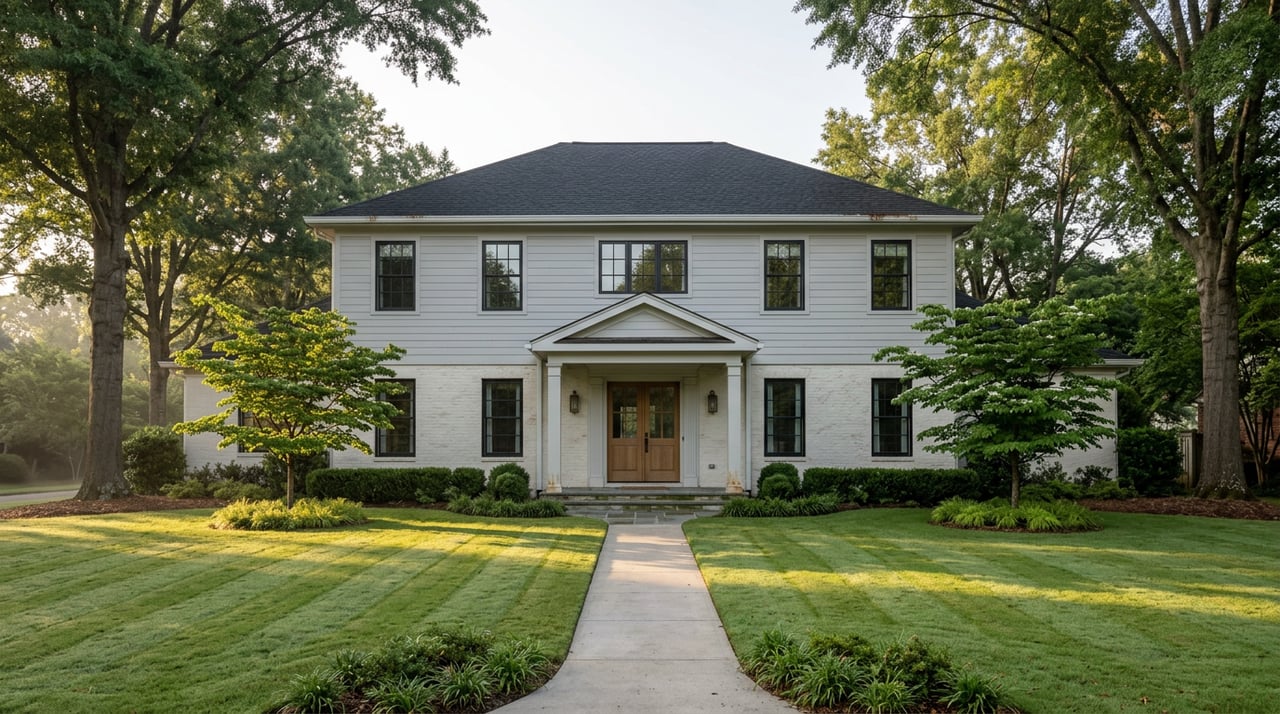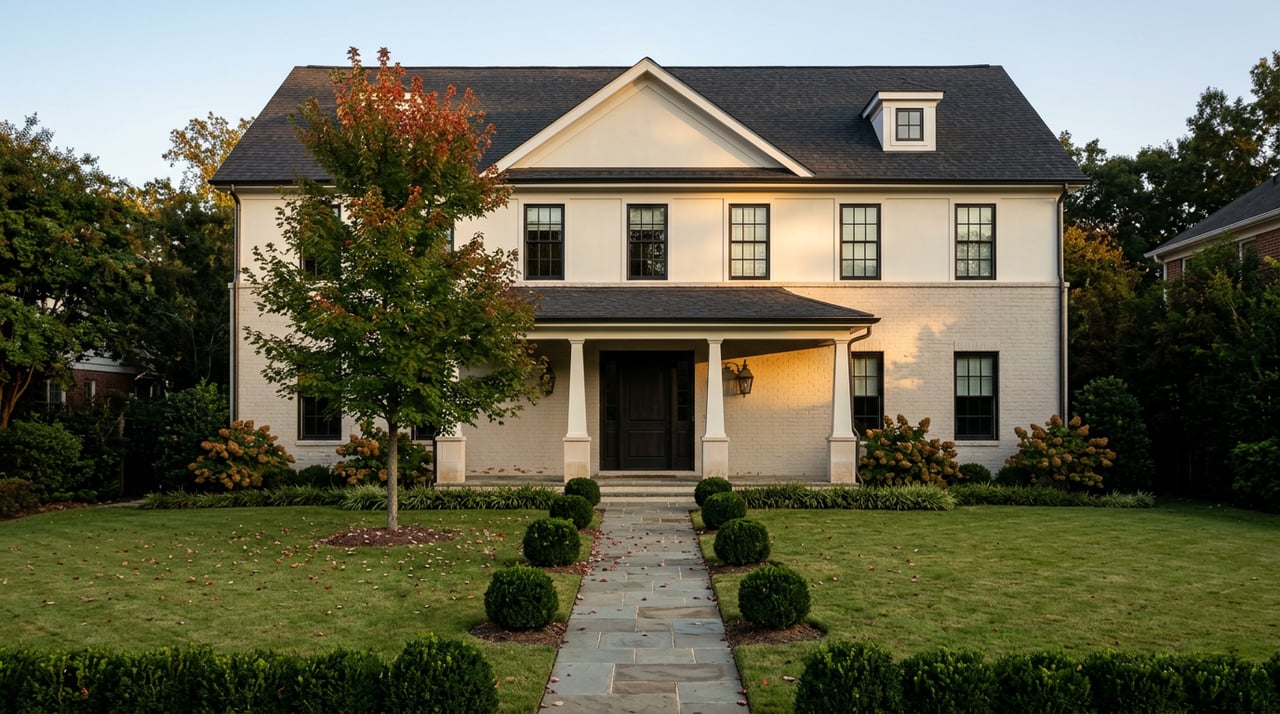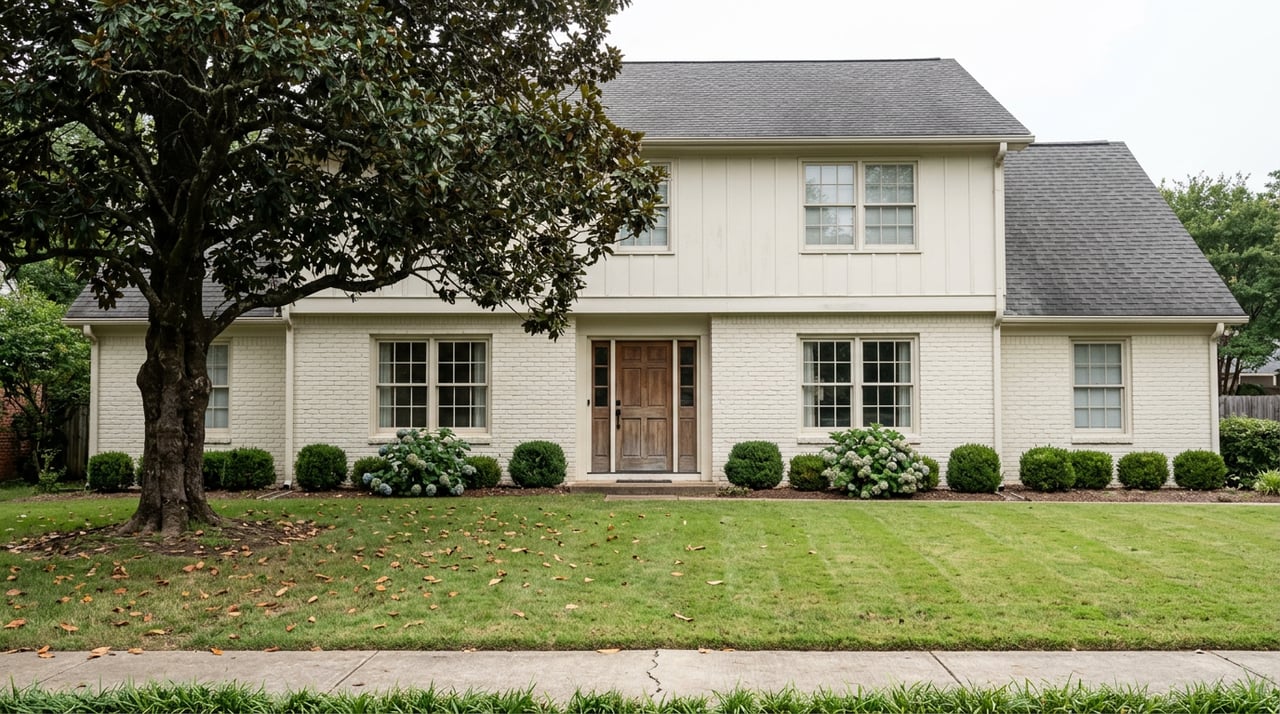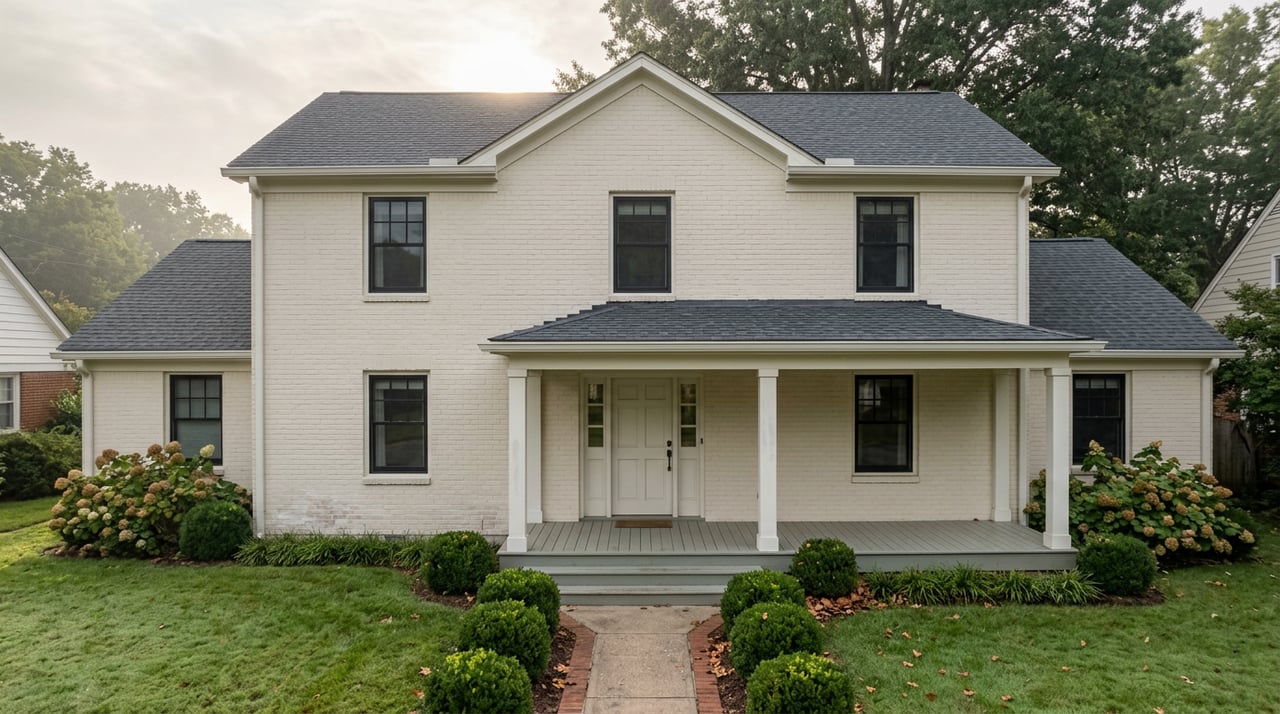
Check a Historic Zoning Commission agenda from almost any month and you'll find the same pattern: a handful of property owners, each with a different kind of exterior project, waiting on a decision before they can pick up a hammer. One docket on file shows new construction proposed at 206 Franklin Rd, a demolition and rebuild of an accessory structure at 215 5th Ave S, and an addition with alterations at 119 Lewisburg Ave, all reviewed in the same session. None of these were unusual requests. They were routine business for a board that meets to decide, case by case, whether a homeowner's plans fit the character of Franklin's historic district. That's the part buyers underestimate. The review isn't a formality you clear once at closing. It's a standing process that will apply to nearly every visible change you make to the house for as long as you own it.
If you're looking at a home inside Franklin's Historic Preservation Overlay, the price on the listing tells you what the house costs. It doesn't tell you what changing the house costs, in time or in paperwork, and that number just moved. Franklin adopted a completely rewritten citywide zoning ordinance effective January 13, 2026, restructuring how the historic overlay sits alongside the city's other overlay districts. Anyone relying on an older guide, or a renovation plan drafted before this year, is working from a document the city itself no longer uses.
What Actually Requires a Certificate of Appropriateness
The mechanism is called a Certificate of Appropriateness, or COA, and it's issued by Franklin's Historic Zoning Commission, a nine-member citizen board that includes representation from architecture, history and preservation, and the Planning Commission. The HZC's job is to review any proposed exterior change within the Historic Preservation Overlay against the city's adopted design guidelines and the Secretary of the Interior's Standards for Rehabilitation. If the work is visible from the street, plan on it needing a look.
Here's what triggers full review versus what a preservation planner can approve without a hearing:
| Project type | Review path |
|---|---|
| New construction, additions, porches, decks, porte cocheres | Full HZC review, COA required |
| Partial or full demolition, or relocating a structure | Full HZC review |
| Fences, walls, driveways, walkways, exterior lighting | Full HZC review as a site element |
| Solar panels, security bars, skylights, mechanical or communications equipment | Full HZC review |
| Rear-facade changes that don't alter footprint or roofline, like a non-historic rear door or window swap | May qualify for Administrative COA, at the Preservation Planner's discretion |
| Interior work with no visible exterior change | Standard building permit, no COA |
That middle category, the administrative path, is worth understanding before you assume every project means a public hearing. Minor alterations to non-historic components on rear or obscured facades, things like a rear door or a non-historic window swap that don't touch the footprint or roofline, can sometimes be approved by staff directly. Anything more visible than that, in practice, is headed to the full commission.
The Ordinance Underneath It Changed in January
Franklin didn't just tweak a subsection. The city's new zoning ordinance, adopted and effective January 13, 2026, reorganized the entire code. Overlay districts, including the Historic Preservation Overlay, now sit in Chapter 4 alongside seven others: the Floodway Overlay, Floodway Fringe Overlay, Hillside Hillcrest Overlay, Neighborhood Conservation Overlay, Columbia Avenue Overlay, Central Franklin Overlay, and the Scenic Corridor Overlay. Historic Resources got its own dedicated chapter, Chapter 18, and the rules for who reviews what now live in a separate Review Bodies chapter, Chapter 19, with procedures spelled out in Chapter 20.
For a buyer, the practical takeaway isn't the chapter numbers themselves. It's that the design guidelines your contractor or agent might reference from a 2023 blog post, or even from the design guidelines document effective May 30, 2022, still apply as the substantive standard the HZC uses to judge appropriateness, but the ordinance structure they sit inside has been rebuilt. If you're comparing renovation scope against anything published before January 2026, verify it against the current ordinance before you build a budget or a timeline around it.
Where the Real Cost Shows Up: Soil, Not Style
Design review is the friction people expect. The one that catches buyers off guard is underground. Franklin sits on karst limestone with pockets of expansive clay, and that geology shows up directly in what the Building Department will ask for before it approves footings. Decks, additions, and any structure with a foundation can trigger a request for a geotechnical or soils report, particularly on lots with drainage concerns or any hint of sinkhole risk. That's a real, separate cost, typically a few hundred dollars for an engineer's letter, and it adds review time on top of whatever the HZC process already requires.
For a downtown Franklin lot, especially one with an older foundation and a small footprint, this isn't a hypothetical. It's the difference between a deck that gets built in a matter of weeks and one that sits in review while an engineer signs off on the soil underneath it. If you're evaluating a historic property with renovation in mind, that soils question deserves its own line item before you finalize a budget, not an afterthought once the crew shows up.
What This Means If You're Under Contract on a Historic Home
None of this means a historic Franklin property is a harder buy. It means the renovation math has two gates most buyers only expect one of: the building permit, and the design review that sits in front of it. Before you write a specific renovation scope into an offer or a post-closing plan, it's worth a call to the city's preservation staff, currently Emily Huffer, the Preservation Planner, to find out whether your plans need a hearing, qualify for administrative approval, or don't need COA review at all. The city explicitly encourages this kind of early conversation, and even offers an informal Design Review Committee meeting before you file anything formally. That conversation costs you nothing and can save weeks.
If your plans include anything with a footing, build in time for the soils question too. A contractor experienced with Franklin's historic stock will usually flag this early, but it's worth asking directly rather than assuming it won't apply to your lot.
A Few Questions Worth Asking Before You Write an Offer
Does every home in the historic district need a COA for any work at all? No. Interior work that doesn't change the exterior appearance typically needs only a standard building permit. The COA requirement is specifically about visible, exterior change.
What if I just want to repaint or replace a broken window pane? Routine maintenance and repair using matching materials is generally treated differently from a design change, but it's still worth a quick check with preservation staff, especially for window replacement, which often falls under review depending on how it's done.
Can I find out if my renovation plans are realistic before I'm under contract? Yes, and this is the step most buyers skip. A conversation with the Preservation Planner, or attending a Design Review Committee session, can happen before you own the property. It's the single best way to know what you're actually buying alongside the house.
Franklin's historic core rewards the kind of buyer who does this homework early. The character that makes these blocks worth buying into, the deep porches, the architectural rhythm, the walkable proximity to downtown, exists because the review process protects it. Understanding how that process actually works, and how it just changed, is what separates a smooth renovation from a stalled one.
If you're evaluating a property inside Franklin's Historic Preservation Overlay, or trying to figure out what a specific renovation plan will actually require, Anna Rose Marangelli can walk through the scope with you before you write an offer, not after. Schedule a Consultation to talk through what your plans will take.