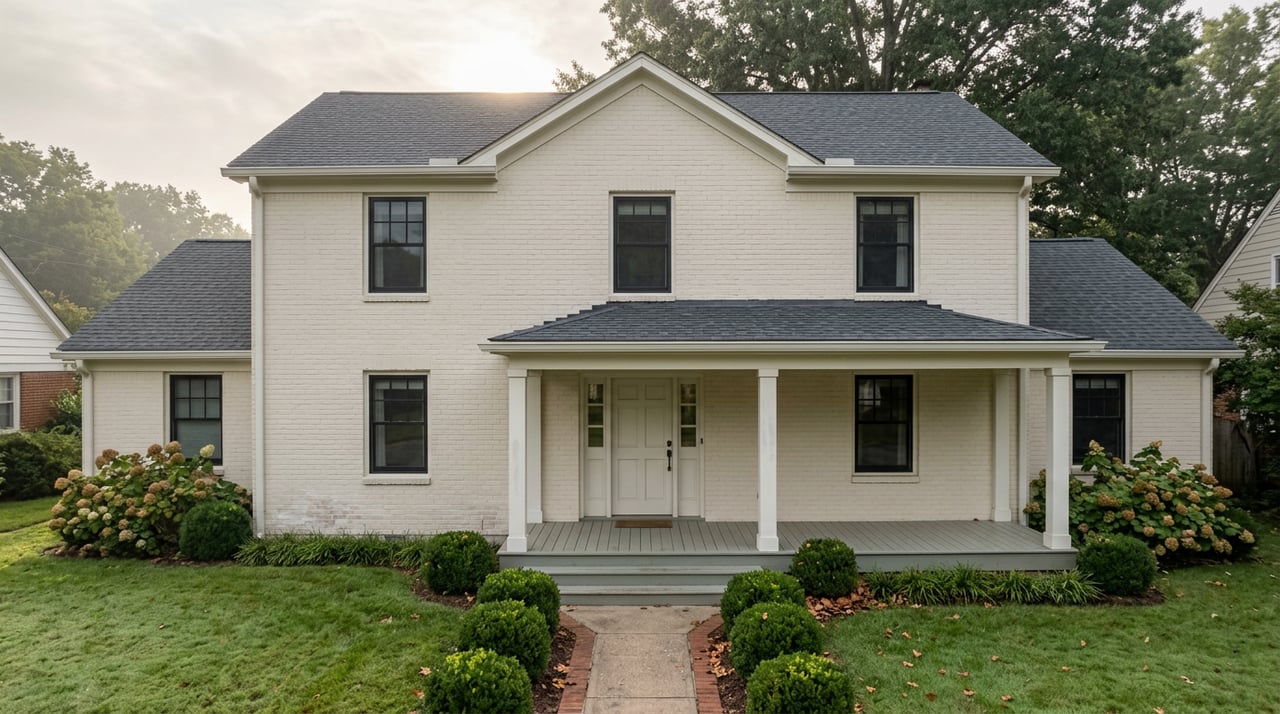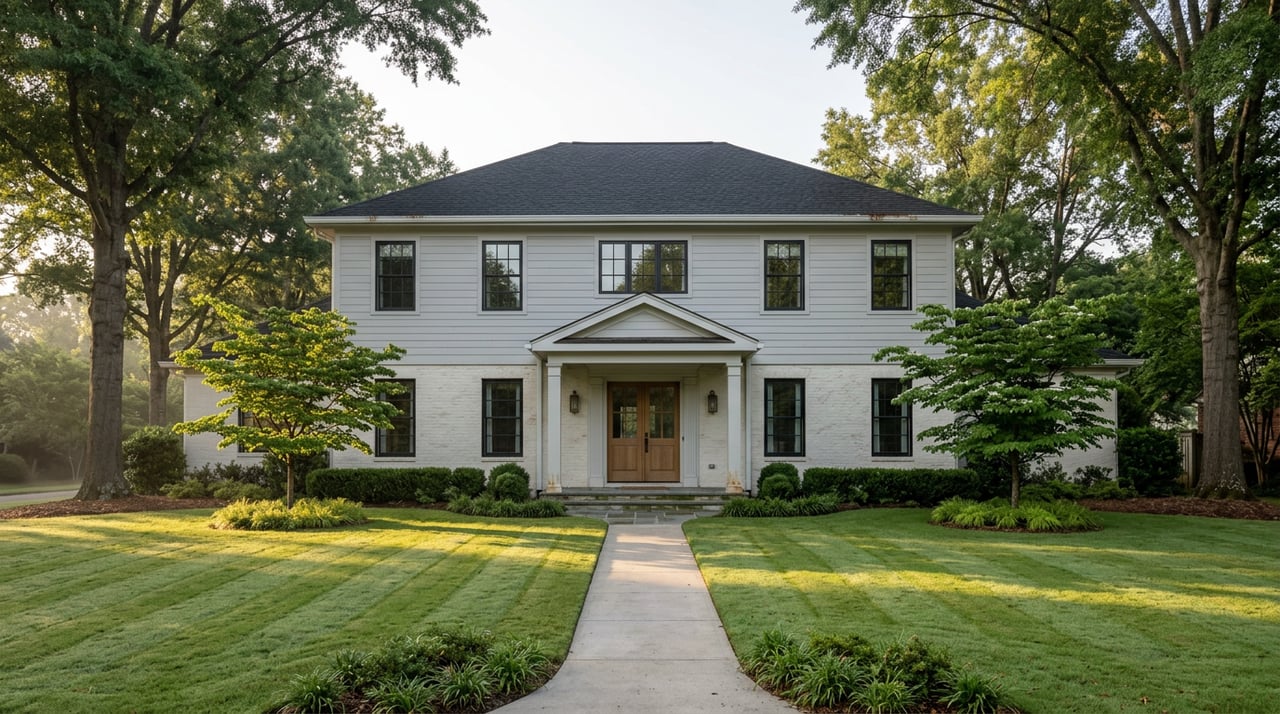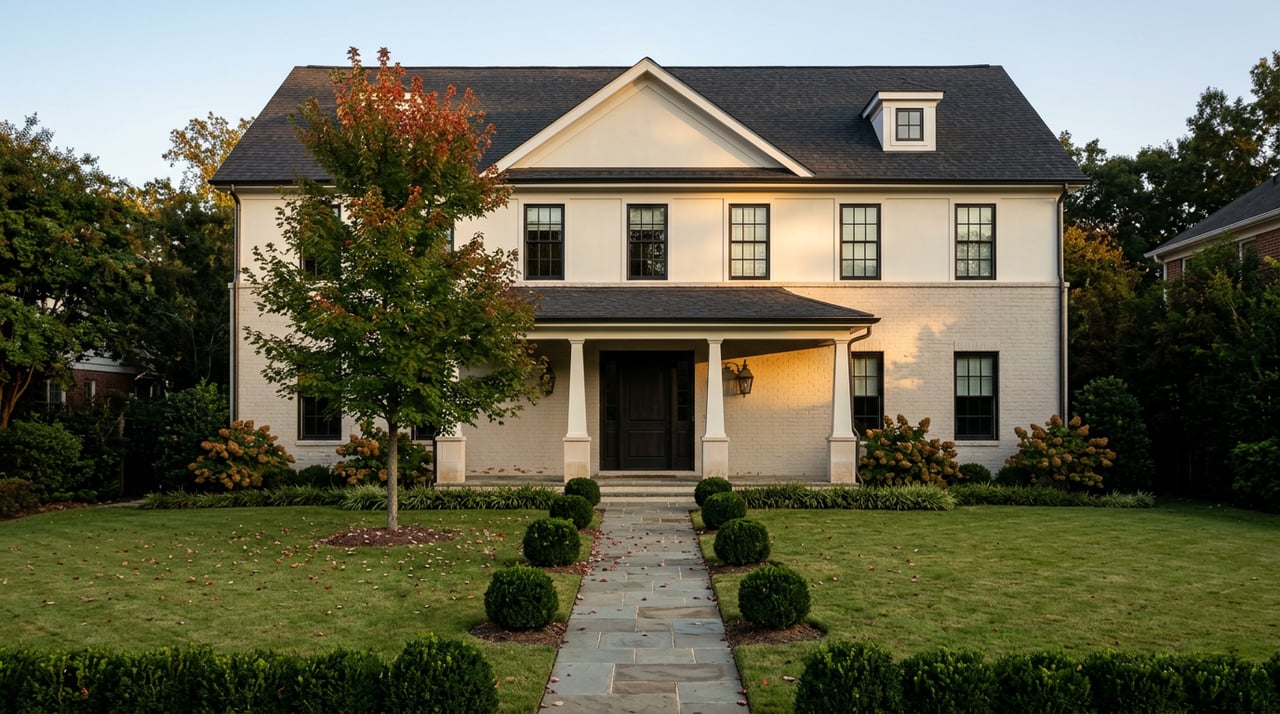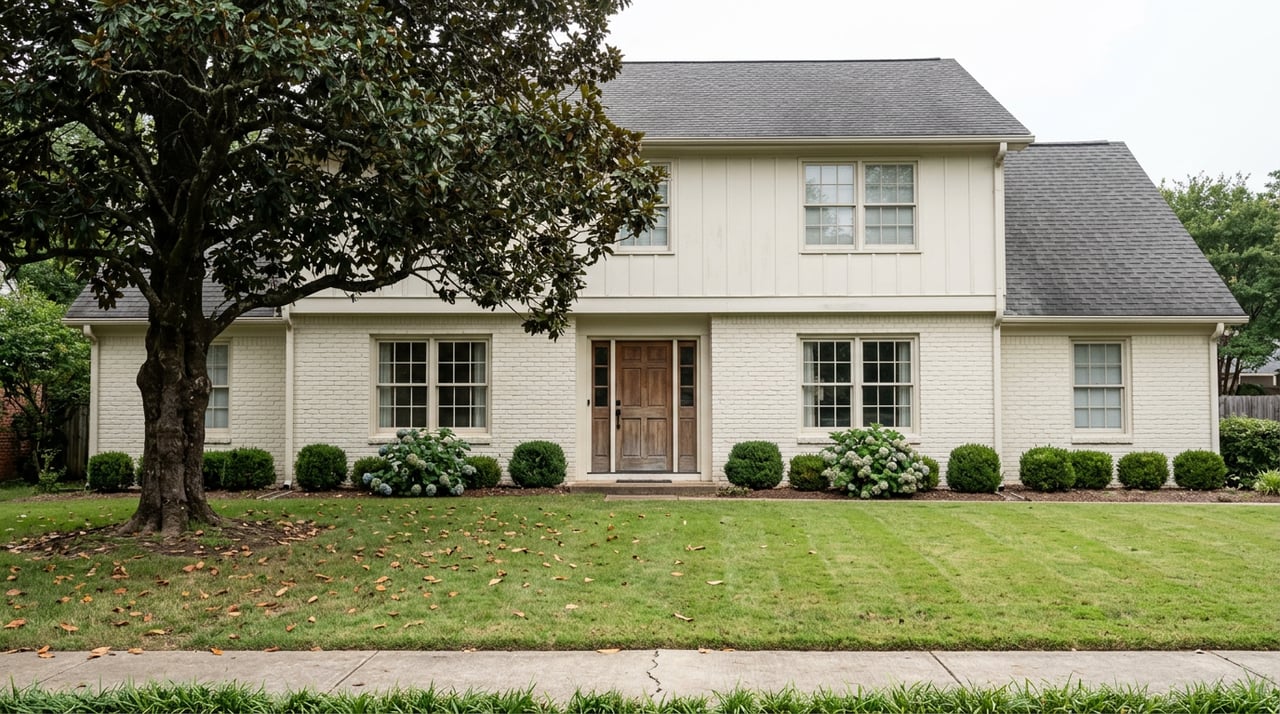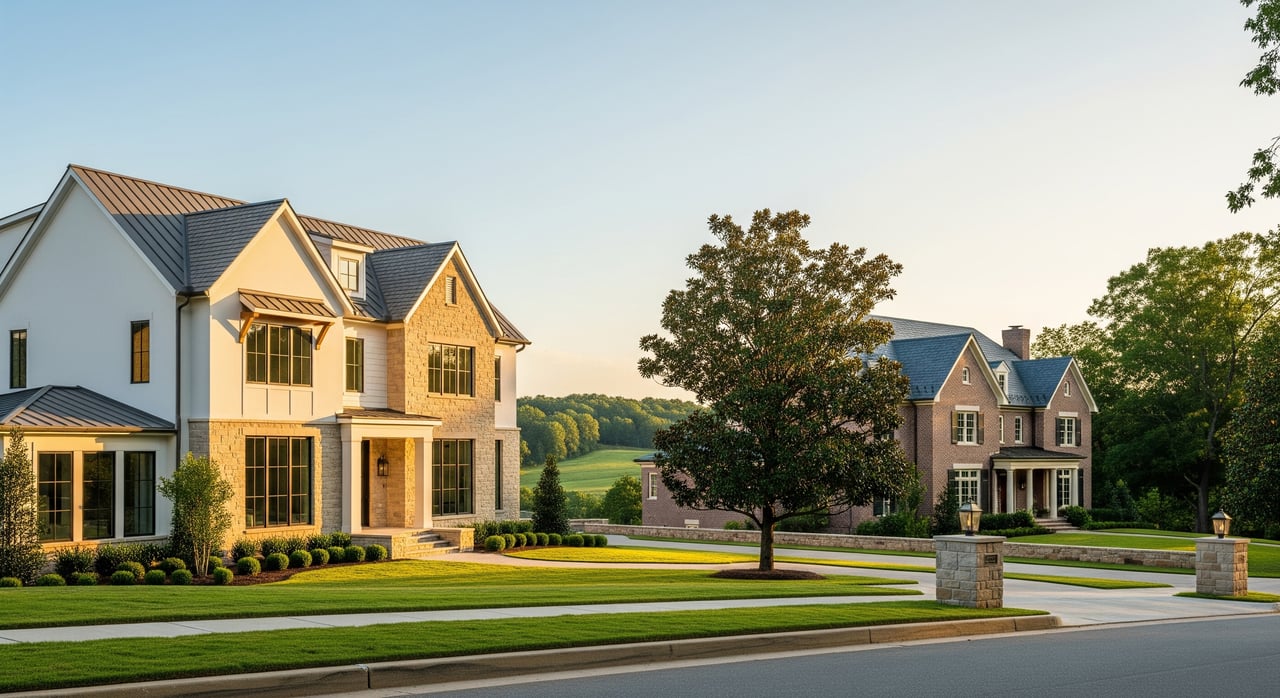
Torn between a polished new build and a classic Green Hills charmer? You are not alone. Green Hills buyers often weigh modern layouts and warranties against mature lots, trees, and immediate move-in. This guide walks you through the trade-offs so you can match your timeline, budget, and lifestyle to the right home. Let’s dive in.
Green Hills snapshot
Green Hills is an established, in-demand Nashville neighborhood with tree-lined streets, a mix of mid-century and traditional homes, and pockets of high-end infill. New construction here is mostly infill or small-lot subdivisions rather than large new communities. Location and lot character command a premium, and brand-new homes often list higher per square foot than comparable resales, depending on finishes, lot size, and neighborhood fit.
Inventory for move-in-ready new builds is limited, so buyers may wait on a builder’s timeline or compete for finished homes. Resales can move quickly when priced well, while new builds can involve waiting lists or contracts during construction.
Total cost of ownership
Understanding the full cost picture helps you compare apples to apples.
Price and up-front cash
- New construction: Higher list prices for similar square footage are common. Expect larger earnest deposits, potential progress draws, and non-refundable upgrade deposits depending on the contract.
- Resale: Purchase price may be lower for comparable interior space. Negotiating concessions is more common, which can offset closing costs or repairs.
Financing and closing
- New construction: You may need a construction-to-permanent loan or short-term construction financing. These often involve different underwriting, higher fees, and interest-only payments during the build. Some programs like FHA or VA can work but require specific appraisals and documents, so verify early with your lender.
- Resale: Conventional financing is usually more straightforward with fewer lender complexities.
Property taxes and assessments
- New construction: Assessed value often increases after completion, which can raise your property taxes. Confirm Davidson County assessment timing and how reassessments apply to new builds.
- Resale: Taxes reflect current assessments, though they can adjust after a sale. Ask your agent to help you understand expected changes.
Insurance
- New construction: New systems and materials can lower initial insurance costs. Verify replacement-cost provisions and coverage limits for accurate protection.
- Resale: Insurance can vary with home age and updates. Factor in the condition of roof, systems, and electrical when quoting.
Utilities and operating costs
- New construction: Expect better energy performance due to modern insulation, higher-efficiency HVAC, and LED or ENERGY STAR fixtures. Actual savings depend on choices like heat pump versus natural gas.
- Resale: Older systems and insulation can increase energy costs until upgrades are completed.
Maintenance and repair horizon
- New construction: Lower maintenance for the first 5 to 10 years on major systems, but plan for a punch list and minor warranty fixes after move-in.
- Resale: Immediate or near-term work is more likely. Roofs, windows, HVAC, electrical, and plumbing should be evaluated for remaining life and potential replacement costs.
Upgrades and customization
- New construction: You can choose finishes, but upgrades carry builder premiums and change orders can be costly and sometimes non-refundable.
- Resale: If you accept existing finishes, up-front costs can be lower. Full remodels may cost more than builder-stage upgrades depending on scope and timing.
Lot, trees, and neighborhood fit
Green Hills’ character is deeply tied to its lots and trees. Evaluate the site as carefully as the house.
Lot size and character
- Resale homes often sit on mature lots with established landscaping and larger trees.
- New builds may be on smaller footprints due to infill patterns. Compare yard usability, orientation, setbacks, and parking.
Trees and landscaping
- Mature trees add aesthetic value and a cooler microclimate. New builds may require tree removal, and sellers of tear-downs sometimes clear lots. Understand any tree protections or required mitigation and budget for new landscaping over time.
Drainage and grading
- Infill construction can alter drainage. Confirm plans for grading, gutters, retaining walls, and stormwater controls. Ask who is responsible for final grading and yard stabilization in the contract.
Design compatibility
- Overbuilding compared with immediate neighbors can affect resale potential and neighborhood acceptance. Review nearby comps on your block, consider rooflines and massing, and check for overlays or guidelines that may influence scale and exterior design.
Architecture, systems, energy, and warranties
Your daily experience and future resale both depend on what is behind the walls and how the home lives.
Floor plans and features
- New construction often delivers open layouts, large kitchens, main-level primary suites, flexible rooms, and integrated outdoor living, all popular with today’s buyers.
- Resales can offer architectural charm, mid-century or traditional details, and mature landscaping that new builds typically lack at first.
Mechanical and structural systems
- New builds commonly include modern HVAC, updated electrical panels, PEX plumbing, and current safety features that meet today’s codes.
- Resales require careful review of roof age, HVAC, water heaters, electrical panels, and structure. An experienced inspector can flag priority items and remaining lifespan.
Energy performance and incentives
- New construction can include energy-efficient windows, insulation, duct sealing, and electrification-ready designs. Explore potential rebates from utilities or regional programs, and consider federal tax credits when applicable.
Warranties and inspections
- Builder warranties often follow a common pattern: approximately one year for workmanship and finishes, two years for mechanical systems and installation, and a limited structural warranty that can extend up to ten years. Always get the terms in writing and confirm what transfers on resale.
- Inspections for new builds are still essential. Schedule independent inspections at critical phases, such as foundation, framing or pre-drywall, mechanical rough-in, and a thorough final inspection before closing. Document a punch list with timelines for corrections.
- Resales should have a full home inspection, with specialists for roofing, HVAC, sewer or septic, and structure as needed.
Timelines, contingencies, and competition
Your timeline and tolerance for uncertainty can tilt the decision.
Typical timelines
- New construction: Quick spec homes may close in a few months, while custom and infill builds often take 6 to 12 months or more from contract to completion. Weather, permitting, labor, and materials can affect the schedule.
- Resale: Close in 30 to 60 days once financing and inspections are complete, which suits buyers who need certainty or fast occupancy.
Contract terms and contingencies
- New-build contracts often limit buyer-friendly contingencies. Builders may allow phase inspections but restrict renegotiation for cosmetic items. Look for extension clauses tied to weather or material delays and verify deposit refund rules and remedies for missed delivery dates.
- Resale contracts typically include inspection, appraisal, and financing contingencies with room to negotiate repairs or price.
Resale potential and investment
- New construction appeals to many buyers on the next sale because of modern design and systems, which can reduce time on market.
- Resales can shine with established lots, curb appeal, and alignment with neighborhood character.
- Watch for overbuilding risk. If a new home significantly exceeds nearby comps in size or finish, resale value may be capped by the block’s price ceiling. Compare price per square foot and recent nearby sales to set realistic expectations.
Buyer checklists
Use these quick checks to move from options to action.
If you are considering new construction
- Builder due diligence: Years building in Nashville and Green Hills, examples of completed homes, warranty terms and claims history, subcontractor list, and certificate of occupancy process.
- Contract clarity: Deposit schedule, cancellation penalties, change-order pricing, allowances, who pays for grading and landscaping, and remedies if the builder misses the target closing date.
- Financing plan: Construction-to-permanent options, appraisal timing, rate locks, and contingency language for delays.
- Inspection plan: Independent phase inspections and a final inspection before closing, with a documented punch list and repair timelines.
- Neighborhood fit: Block-level setbacks and massing. Confirm the home is not oversized relative to near comps.
If you are considering a resale
- Systems inventory: Roof, HVAC, water heater, electrical panel, and plumbing. Ask about sewer or septic condition and insulation levels.
- Deferred maintenance: Look for signs of water intrusion, drainage issues, or tree roots near the foundation.
- Upgrade math: Compare the cost and timeline of desired renovations to the total cost of buying new.
- Inspection scope: Start with a general inspection, then add specialists based on findings or the home’s age.
Seller paths in Green Hills
If you own in Green Hills, you may be deciding whether to renovate, sell as-is, or pursue a teardown and new build.
- ROI analysis: Compare local comps in your price bracket to what buyers expect. Obtain contractor bids and timelines before committing.
- Permits and approvals: Metro permitting and any tree removal rules can influence costs and timing. Build this into your net proceeds plan.
- Buyer targeting: Understand who is buying on your street and where your home fits, whether traditional charm or open-plan living is the draw.
- Carrying costs: Budget for taxes, insurance, utilities, and financing while a property is vacant, during construction, or while renovations are completed.
- Pre-sale improvements: Strategic updates and professional staging can boost appeal and returns. Consider funded improvement programs to reduce out-of-pocket strain if that aligns with your plan.
How to decide
If you value immediate occupancy, mature trees, and a potentially lower up-front price, a resale may suit you. Budget for system updates and plan renovations over time. If you prioritize modern layouts, energy performance, and a longer maintenance runway, new construction may be worth the premium, especially if you can manage a longer timeline and firmer contract terms.
Whichever path you choose, align your financing, inspection strategy, and neighborhood comps before you write the offer. A clear-eyed view of lot conditions, timelines, and warranty coverage will help you buy with confidence in Green Hills.
Ready to compare specific homes, builders, and block-level comps with a construction-first lens? Schedule a private planning session with Anna Rose Marangelli to map your path in Green Hills.
FAQs
Is new construction usually more expensive in Green Hills?
- New builds often list at a premium per square foot compared with resales, reflecting modern layouts and finishes. The premium varies with lot size, finish quality, and how well the home fits the neighborhood.
How long does a new build take compared with a resale closing?
- Resales commonly close in 30 to 60 days once financing and inspections are complete, while custom or infill new builds often take 6 to 12 months or more from contract to completion.
Do I still need inspections on a brand-new home in Green Hills?
- Yes. Schedule independent phase inspections at foundation, framing or pre-drywall, mechanical rough-in, and a detailed final inspection to catch issues and document punch-list items before closing.
How will property taxes change with a new build in Davidson County?
- New construction typically increases assessed value after completion, which can raise taxes. Confirm timing and assessment practices with the local assessor so you plan accurately.
Can I use FHA or VA financing for new construction?
- These programs can be used in some cases, but they have specific appraisal and documentation requirements. Speak with an experienced lender early to confirm eligibility and timelines.