Wondering whether East Nashville is a smart place to buy your first investment property? The short answer is yes, but only if you go in with a clear plan, conservative numbers, and a realistic view of the neighborhood. If you are hoping for a cheap entry point or easy cash flow, East Nashville may feel challenging. If you want a market with strong identity, steady demand, and real value-add potential, it can be worth a closer look. Let’s dive in.
East Nashville at a glance
East Nashville is not an entry-level bargain market. The current median sale price is $551,265, compared with $442,483 for Nashville overall, which means you are buying into a neighborhood that already commands a premium.
That matters for first-time investors. A higher purchase price can raise your monthly carrying costs and reduce your margin for error. In a market like this, success usually comes from buying carefully, managing improvements well, and planning for a longer hold.
What the market numbers tell you
Current market data paints a balanced picture. East Nashville has a median of 63 days on market, a 97.6% sale-to-list ratio, and 31.2% of homes show price drops.
In plain terms, that means the market is active but not overheated. Some homes still move quickly, and about 15% of sales close above list price, but a meaningful share of listings need price cuts. For you, that creates opportunity if you stay disciplined and avoid overpaying.
Why East Nashville appeals to first investors
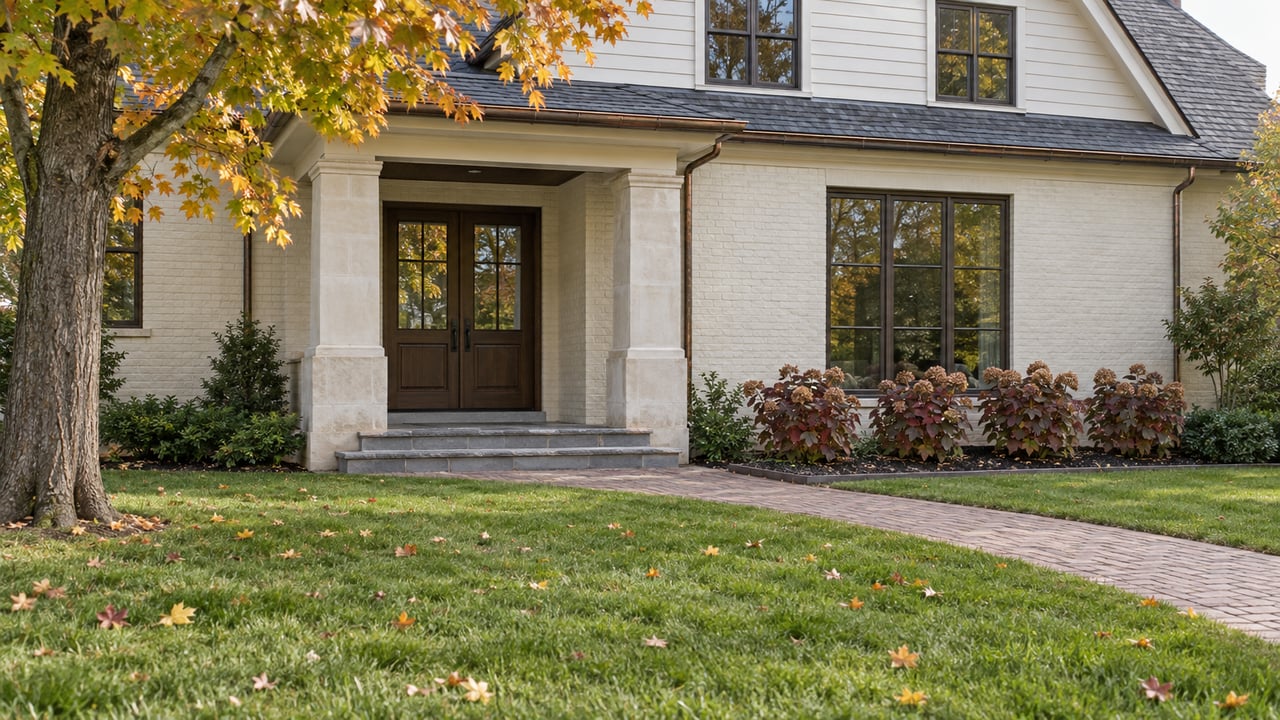
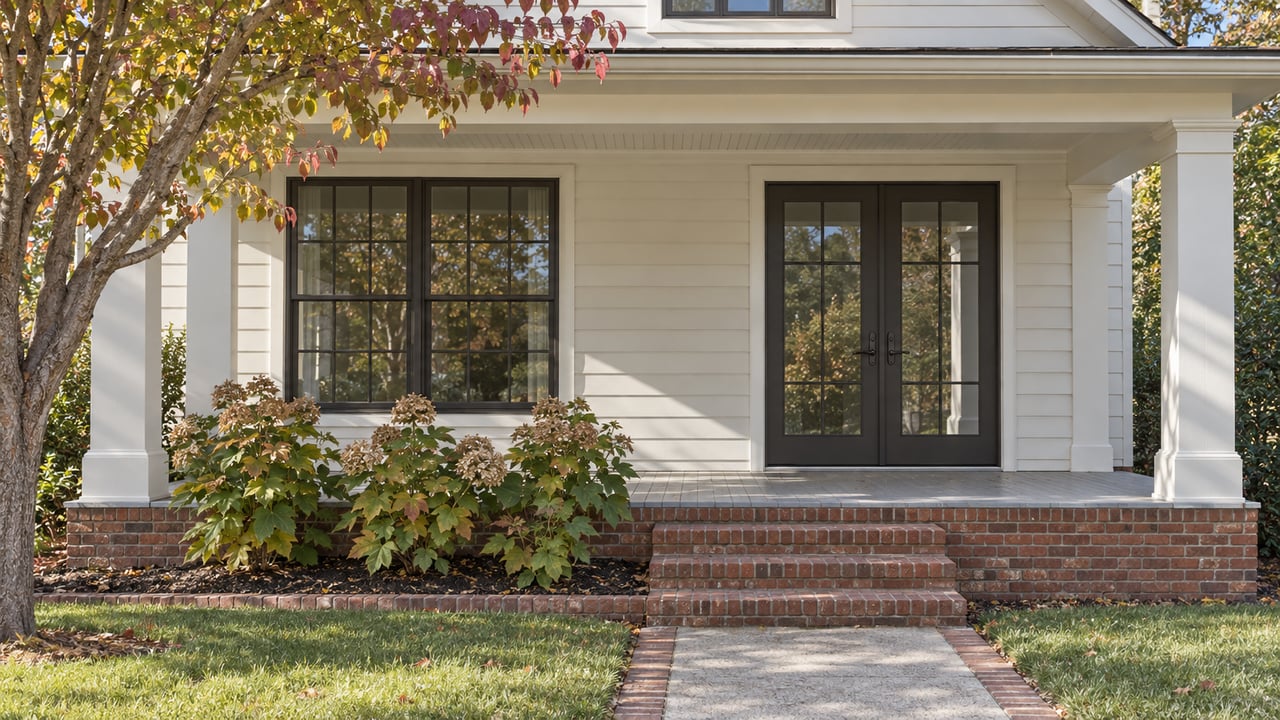
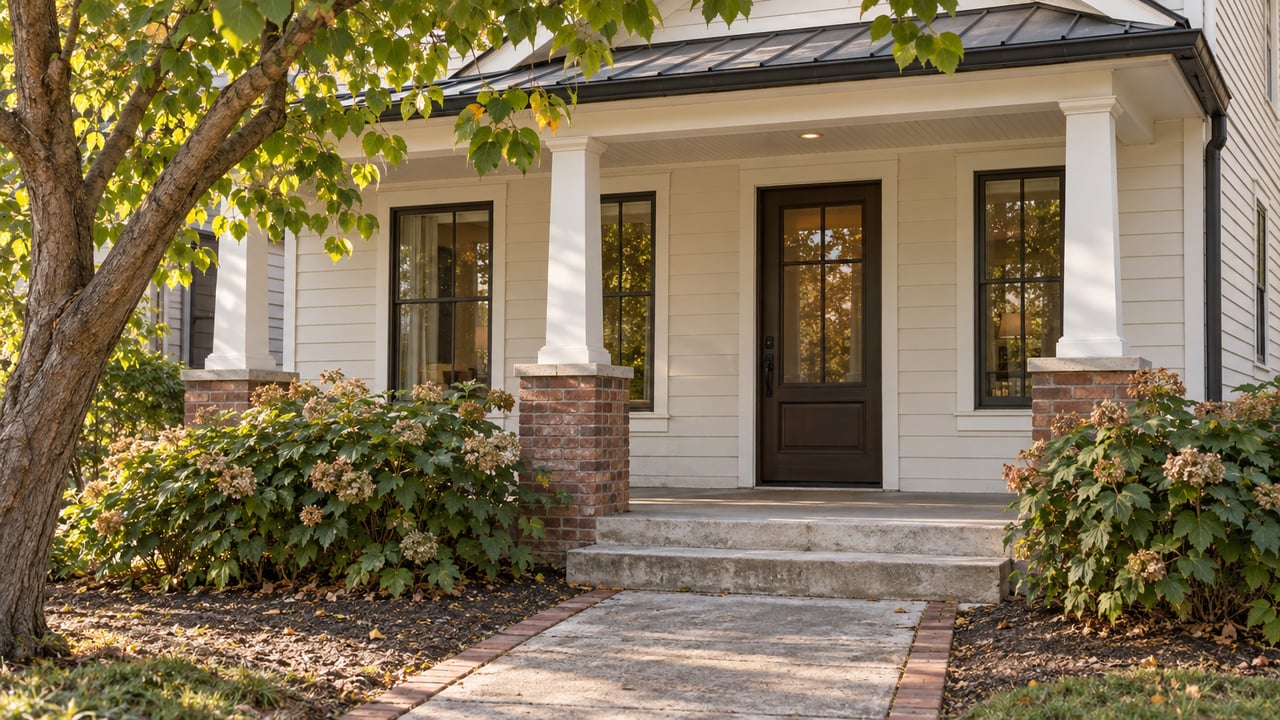
East Nashville offers something many investors want: a neighborhood with personality, older housing stock, and multiple property types. Metro planning materials describe a mix of detached cottages, attached cottages, duplexes, townhomes, and multifamily units.
That variety gives you more than one way to enter the market. Depending on the block and the property, you may find an owner-occupant option, a long-term rental setup, or a value-add opportunity with renovation upside.
It also helps that the area has real rental demand. As of July 2026, average apartment rents are about $1,559 for a one-bedroom and $1,772 for a two-bedroom in East Nashville.
Why the numbers still require caution
A good neighborhood does not automatically make a good investment. Apartment rents in East Nashville declined 1.3% over the past year, and the broader 2026 housing outlook points to nearly flat home values nationally with only modest rent growth.
That means you should not build your investment plan around aggressive appreciation or a fast jump in rents. In East Nashville, a deal needs to make sense on day one, not just in a best-case future scenario.
Product type matters block by block
One of the biggest mistakes first investors make is treating East Nashville like one uniform market. It is not. It is a patchwork of older neighborhoods, infill development, and overlay districts, and that can change what a property is worth and what you can do with it.
Historic zoning materials for East Nashville-area neighborhoods show many homes date back to the early 20th century. You may see bungalow-era houses and styles like Queen Anne, Colonial Revival, and Bungalow, often with original details that carry value.
That makes block-level comp selection especially important. Two homes with similar square footage may perform very differently depending on location, condition, zoning context, and renovation quality.
Renovation upside is real, but so is permit friction
If you like older homes and value-add projects, East Nashville can be attractive. Anna Rose Marangelli’s construction background is especially relevant here because older housing stock often hides issues that affect true project cost.
But renovation is not always simple. In historic overlay areas, Metro says additions, demolition, and new construction may go through design review, and guidance in places like Edgefield emphasizes keeping original roof forms, porches, and materials where possible.
That does not mean you cannot improve a property. It does mean you need to understand the rules before you count on a layout change, an addition, or a major exterior update.
What to review before you renovate
Before you move forward on a property, check:
- Whether the property is in a historic overlay
- Whether your renovation plan changes exterior features
- Prior permit history for structural, electrical, plumbing, gas/mechanical, and low-voltage work
- Whether your budget includes contingency for older-home surprises
For a first investor, permit history should be part of your due diligence file, not an afterthought.
ADU and duplex potential in select pockets
Some East Nashville pockets may offer more flexibility than others. Metro notes that much of Cleveland Park and McFerrin Park was rezoned to allow detached accessory dwelling units.
That can create useful options for small-scale investors who want to add rental flexibility. Still, you should verify the exact parcel, zoning, and project requirements before assuming an ADU plan will work.
Historic guidance also notes that infill duplexes in some areas should generally read as one building to preserve the street rhythm. That may affect design and feasibility if duplex strategy is part of your plan.
Long-term rental works better than short-term speculation
For many first investors, the strongest play in East Nashville is a patient buy-and-hold or owner-occupant strategy. The neighborhood shows real rental demand, but the current rent trends do not support sloppy underwriting.
You should model the exact unit type you plan to own. A one-bedroom apartment average does not tell you enough about a detached home, duplex, or renovated cottage.
If you are thinking about short-term rental income, be careful. Nashville’s short-term rental rules require annual, non-transferable permits, and renewal requires the $313 fee plus proof of insurance and hotel occupancy tax payment.
Operating rules also cover noise, signage, occupancy, and responsible-party requirements. In other words, short-term rental is not a simple backup plan if the numbers do not work as a standard rental.
Carrying costs deserve close attention
East Nashville is a market where small misses can add up. A first-time investor should pay close attention to taxes, insurance, vacancy, utilities, permit costs, and rehab contingency.
In Tennessee, residential property is assessed at 25% of appraised value. Davidson County’s FY27 combined tax rate is $2.814 per $100 of assessed value.
Using the current East Nashville median sale price of $551,265 as a rough example, the assessed value would be $137,816.25, and annual property tax would be about $3,878 before parcel-specific adjustments.
That is exactly why conservative underwriting matters. The key question is not just whether a property can rent, but whether it can rent profitably after all carrying and improvement costs.
Infrastructure and flood checks matter too
There are also practical due diligence items that first investors should not skip. Metro is replacing aging water lines in parts of East Nashville, including McFerrin Park and Cleveland Park, with repaving to follow.
That does not make those areas bad investments. It does mean construction timing, access, and temporary disruption may affect your renovation schedule, tenant experience, or resale timeline.
Flood risk should also be reviewed at the parcel level. Current neighborhood data flags moderate flood risk overall and says 15% of properties face severe flood risk over the next 30 years.
Before you close, it is wise to verify FEMA details, elevation context, and likely insurance costs for the specific property.
When East Nashville makes sense
East Nashville can be a smart first investment market if your goals match the reality of the area. It may be a strong fit if you:
- Want a neighborhood with steady demand and a strong local identity
- Are comfortable with a premium entry price
- Can evaluate older housing stock carefully
- Plan to hold long term or house hack as an owner-occupant
- See opportunity in renovation and operational improvement
This market tends to reward patience, local knowledge, and careful execution.
When it may not be the right fit
East Nashville may be less attractive if you need a low-cost acquisition, immediate high cash flow, or a plan built on fast appreciation. It can also be tough if you are not prepared for overlay rules, permit review, or the unpredictability of older homes.
For a first investor, the wrong deal in a popular neighborhood is still the wrong deal. Strong branding and demand do not erase thin margins.
Final take on East Nashville investing
So, is East Nashville a smart first investment market? Yes, for the right buyer and the right strategy. It offers real value-add potential, a broad mix of housing types, and rental demand that supports thoughtful long-term ownership.
But it is not a shortcut market. You will likely do better here with careful underwriting, construction awareness, and a realistic exit plan than with speculation or overly optimistic rent assumptions.
If you want help evaluating East Nashville opportunities with a local, construction-minded perspective, connect with Anna Rose Marangelli for strategic guidance on buying, renovating, and positioning the right property.
FAQs
Is East Nashville affordable for a first-time investor?
- East Nashville is generally not a low-cost entry market, with a median sale price of $551,265, so affordability depends on your budget, financing, and renovation plan.
Is East Nashville a good market for rental property?
- East Nashville has real rental demand, but modest rent trends mean you should underwrite conservatively and focus on property-specific performance.
Can you use short-term rental income in East Nashville?
- Possibly, but Nashville short-term rental rules are strict, permits are annual and non-transferable, and compliance costs should be built into your numbers.
Do historic overlays affect East Nashville renovations?
- Yes, in some areas, exterior changes such as additions, demolition, and new construction may require design review, so you should confirm overlay status early.
Are ADUs allowed in parts of East Nashville?
- In some pockets, including much of Cleveland Park and McFerrin Park, detached accessory dwelling units may be allowed, but parcel-specific verification is essential.
What extra due diligence matters in East Nashville?
- Permit history, zoning, overlay rules, flood risk, infrastructure work, taxes, and realistic rehab costs are all important to review before you buy.