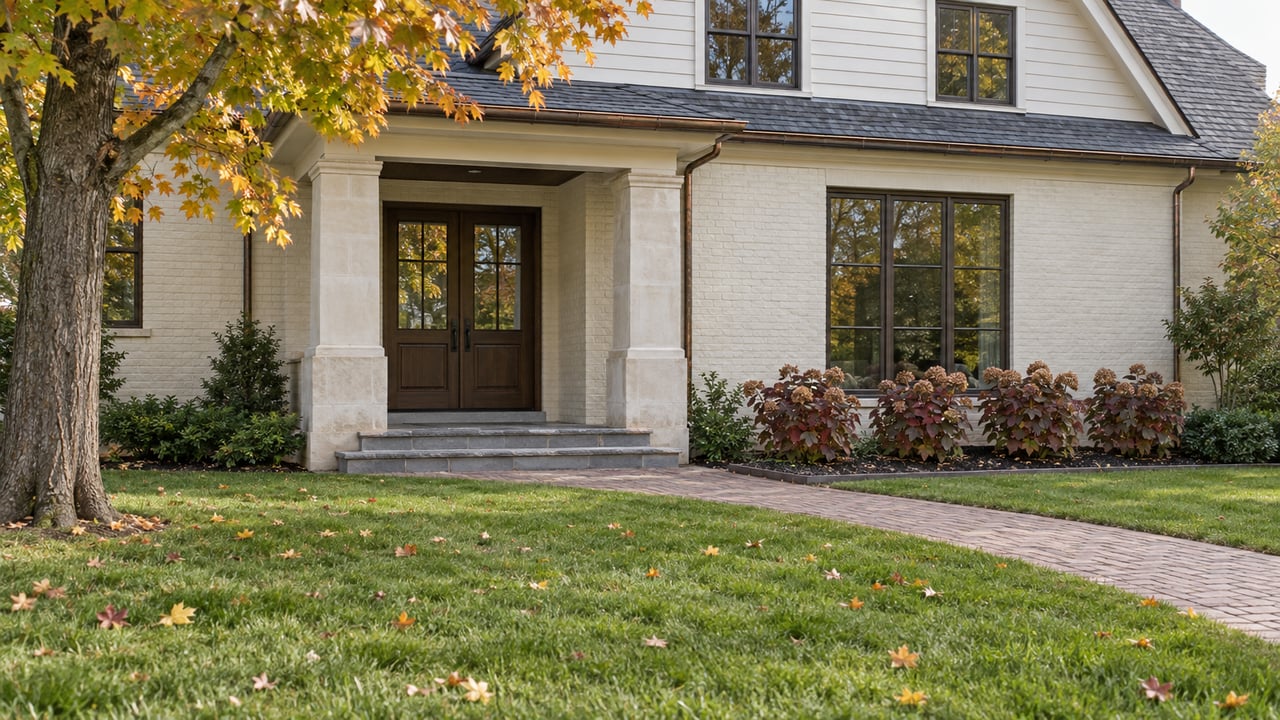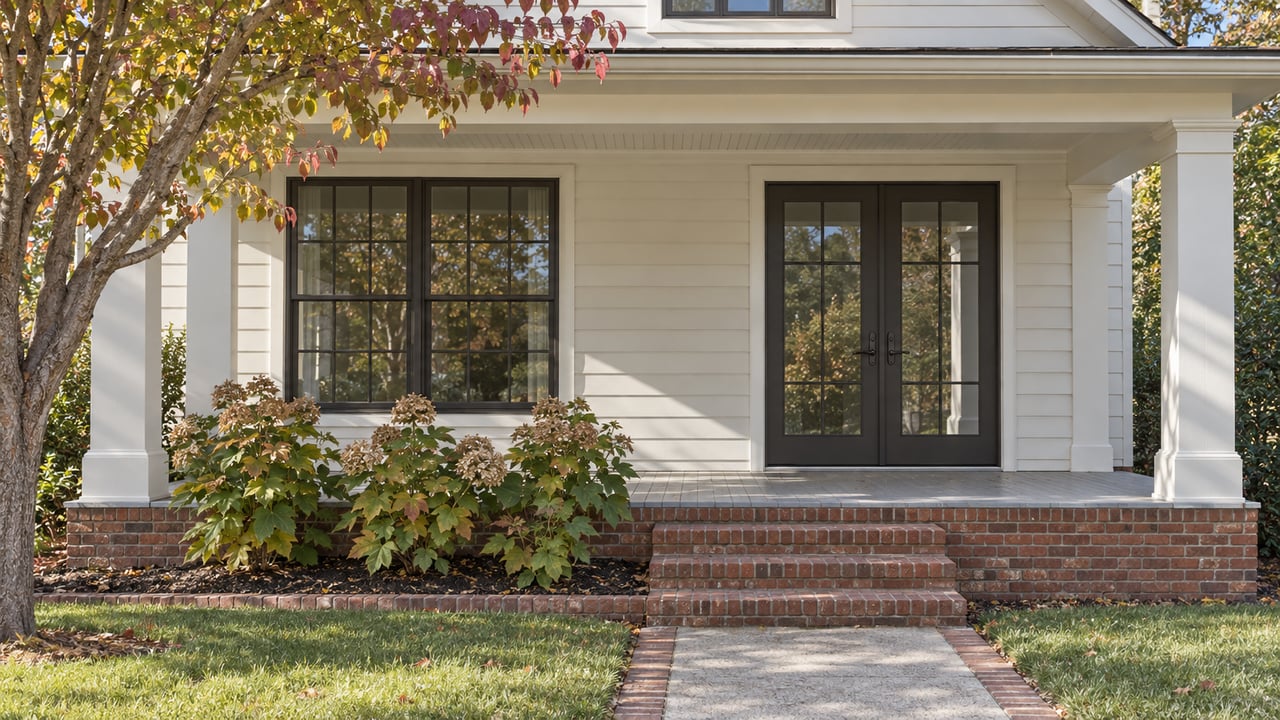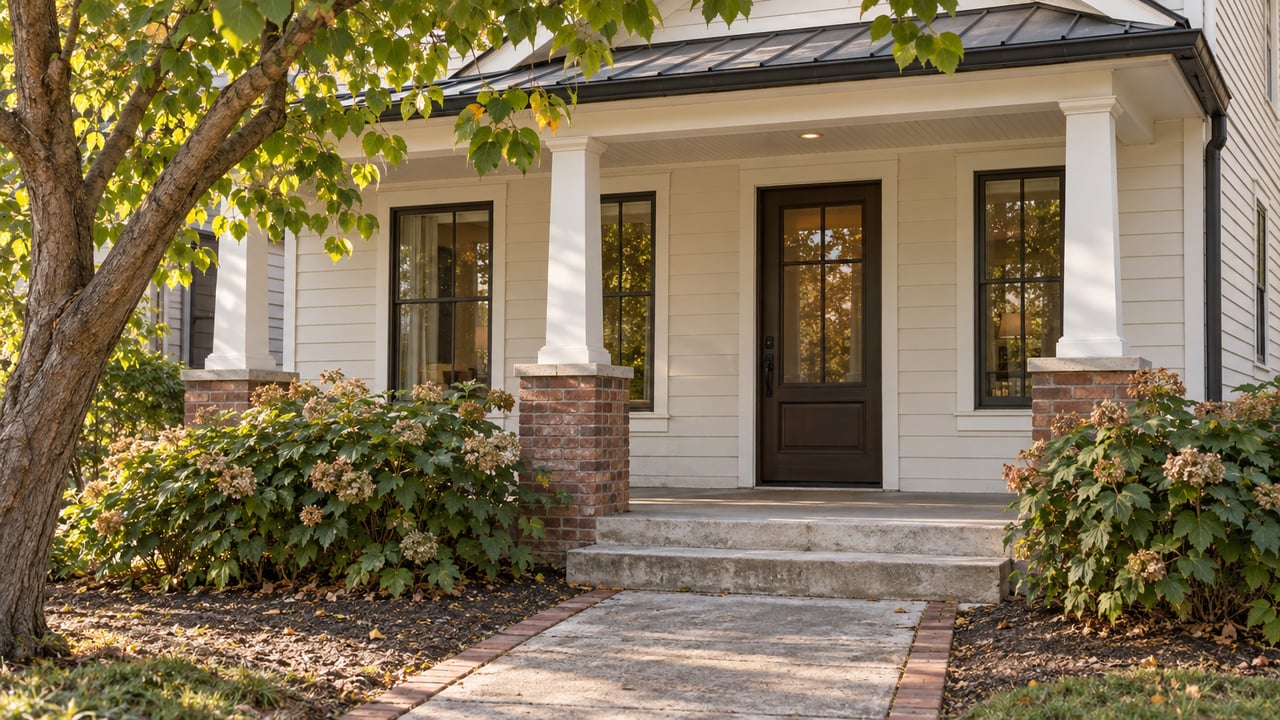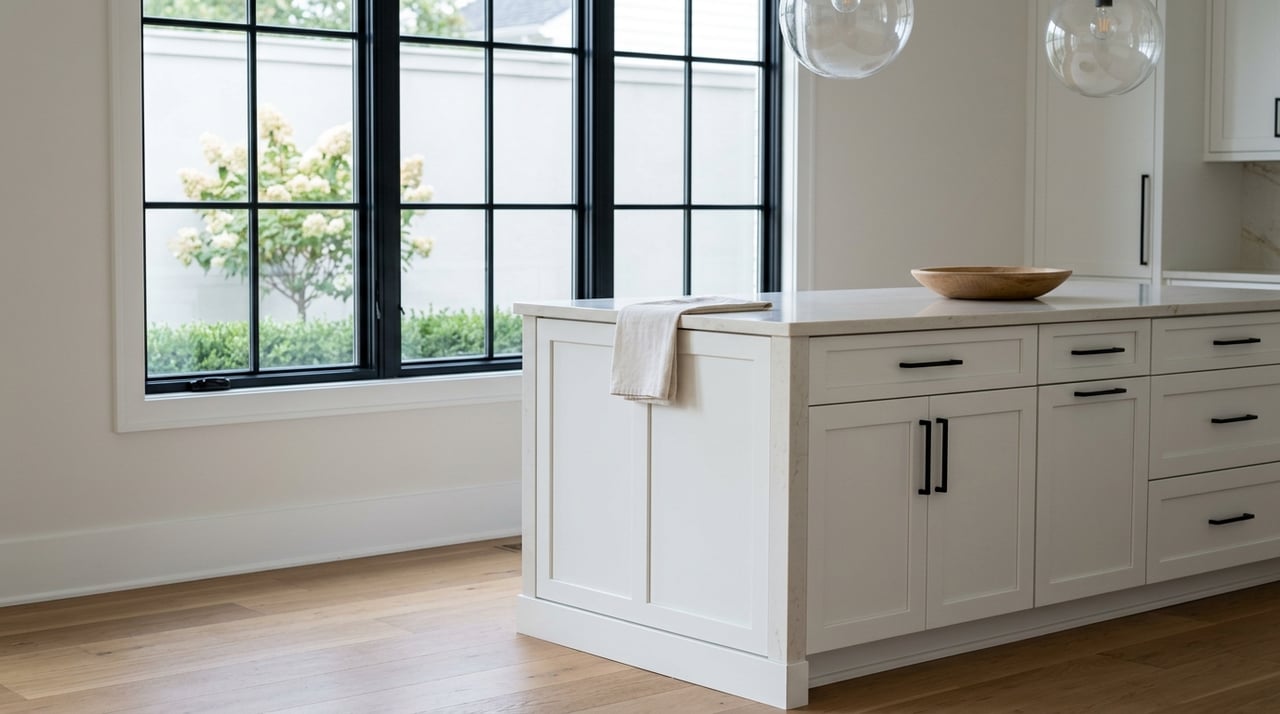
A flawless backsplash and fresh paint can make a new home feel move-in ready, but pretty finishes do not tell you how the house was built. If you are buying new construction in Nashville, you want more than a polished walkthrough. You want confidence in the work behind the walls, under the roof, and around the lot. This guide will help you inspect beyond the finish so you can ask better questions, spot common red flags, and make a more informed decision before closing. Let’s dive in.
Why Nashville new builds need extra review
In Nashville, due diligence starts before your final walkthrough. Metro Nashville’s construction and permit process can involve multiple agencies, and the final step is a Use and Occupancy Letter that shows the home met minimum code standards.
That paper trail matters. Metro also provides public tools like E-Permits inquiry and the Parcel Viewer, which can help you confirm whether a project has a reasonable permit history before you close.
For many buyers, the biggest surprise is that a home can look complete while important details still need verification. A clean interior does not confirm proper drainage, permit sign-offs, or whether the right professionals performed the work.
Check the paper trail first
Before you focus on countertops or lighting, confirm the basics. In Nashville, permit records and parcel history can give you a clearer picture of how a project moved through construction.
A smart first review includes:
- Permit history through Metro’s public systems
- Confirmation that the project is expected to receive, or has received, a Use and Occupancy Letter
- Any visible gaps between the home’s current condition and its recorded project history
You should also confirm who is doing the work. In Tennessee, a contractor license is required before bidding or negotiating price on projects of $25,000 or more, and the state offers a public license verification tool.
That step can be especially useful if you are relying on builder promises, warranty coverage, or repair follow-up after closing. If a problem comes up later, clear documentation matters.
Read disclosures carefully
If you receive a Tennessee disclosure statement, do not treat it like routine paperwork. According to Tennessee guidance, disclosures may include known defects, environmental hazards, flood or drainage issues, encroachments, and unpermitted work.
That is important in Nashville, where infill construction and varied lot conditions can create issues that are easy to miss during a quick showing. Even in a newly built home, disclosure details can point you toward areas that deserve a closer look.
Inspect the lot, not just the house
One of the most overlooked parts of a new-construction inspection is the site itself. In Nashville, grading, drainage, and floodplain considerations can matter just as much as interior finishes.
Metro Water Services provides floodplain inquiry and grading-permit status contacts, and Metro flood resources point buyers to flood maps and local information tools. That means site conditions should be part of your inspection conversation from the start.
Focus on drainage and moisture
Tennessee health guidance recommends watching for moisture-related warning signs such as water-stained walls, ceilings, or floors, wet carpet, condensation on windows, and damp soil or standing water in crawl spaces.
These issues can come from leaking roofs, broken pipes, poor drainage around the home, or malfunctioning air conditioning systems. In a new build, these problems may not be obvious on a sunny day during a polished walkthrough.
If possible, visit the property after rain. That can tell you far more about lot performance than a dry-weather showing ever will.
Watch where water goes
Rainwater should move away from the house, not toward it. Tennessee guidance specifically recommends directing rainwater away from the home with gutters and downspouts and keeping the ground sloped away from the foundation.
When you walk a new build, look at downspout routing, low spots in the yard, and whether water appears likely to collect near the foundation or crawl space. These are practical signs of how the property may perform over time.
Look beyond fresh finishes inside
New construction often shines where buyers can see it most. The real test is whether the home performs well behind the walls and above the ceilings.
That is why your inspection should go beyond cosmetic details. A home can look crisp and still have issues with ventilation, air sealing, or moisture management.
Check the attic and roof area
Tennessee guidance for attics recommends looking for leaks, poor ventilation, exposed rafters or wiring, and gaps around roofing, windows, and doors. These problems may never show up in staging photos, but they can affect comfort, durability, and safety.
Even if your inspector does not access every area, you should still ask what was visible and what was not. Knowing the limits of the inspection is just as important as knowing what was found.
Ask about insulation and air sealing
A recently built home is not automatically efficient just because it is new. Energy guidance notes that even newer homes can have opportunities to improve air sealing, insulation, moisture control, and ventilation.
This is especially important if HVAC ducts or other components are located in unconditioned spaces. Ask how those systems were installed and whether insulation and air sealing were handled properly in key areas.
Pay attention to comfort clues
Sometimes the easiest signs of a problem are the ones you can feel. Tennessee weatherization guidance says rooms that are too hot or too cold, drafty doors or windows, high humidity, and condensation on windows can all point to performance issues.
If a new home already feels uneven in temperature or overly humid before you move in, that is worth investigating. Comfort problems often signal a deeper issue with installation or design.
Why inspections still matter in new construction
Many buyers assume a builder warranty replaces the need for an independent inspection. It does not. A warranty and an inspection serve different purposes.
Tennessee’s Department of Commerce and Insurance says a licensed home inspector is an independent professional who provides a visual evaluation of the property. The state also notes that inspections are not required by law before a sale or mortgage, and inspectors are not required to walk roofs, enter unsafe crawl spaces, or perform engineering, plumbing, electrical, or architectural work.
That means an inspector is a valuable advisor, but not a substitute for city code review, trade specialists, or deeper technical evaluation when needed.
Consider a phased inspection approach
For new construction, timing matters. ASHI guidance says a predrywall inspection should take place after the foundation, framing, mechanical rough-ins, windows, and exterior doors are installed, but before insulation, drywall, and siding cover the work.
Then, a final inspection should happen before closing with enough time for the builder to address repairs. If you only inspect at the end, many important components are already hidden from view.
Understand warranty limits
A builder warranty can help, but it is not a cure-all. Tennessee contractor guidance says buyers should understand that warranty issues may be addressed through the contractor licensing system, but the board cannot award judgments to consumers or force repairs.
The same guidance recognizes a one-year implied warranty concept for new homes, and says structural-defect claims are subject to a three-year limitations period, or four years from notification. In practical terms, that means you should document defects early and keep repair requests in writing.
If something feels off, do not wait and hope it resolves on its own. Clear records can make a major difference later.
Condo, townhome, and single-family checks differ
Not every new-construction purchase works the same way. If you are buying a condo or townhome in Nashville, your due diligence should go beyond the unit itself.
Attached homes may be governed by HOA rules, shared maintenance obligations, fees, and common-area responsibilities. For condos in particular, owners typically share ownership of exterior property and common areas, and monthly dues may help cover repairs, insurance, and reserves.
Review association documents closely
If the property is a condo or townhome, review the CC&Rs, bylaws, HOA financial statements, reserve funds, and any history of special assessments. Monthly dues are not just another line item in your budget. They can reflect how the community plans for repairs and long-term maintenance.
You should also ask practical questions such as:
- Who maintains the roof and exterior?
- What does the master insurance policy cover?
- Are there reserve funds for major repairs?
- Have there been special assessments for capital projects?
These questions matter because lender review may also consider the physical condition and financial stability of the community.
A practical Nashville buyer checklist
If you want a simple framework, start here:
- Verify the permit trail through Metro records
- Confirm the project is tied to a Use and Occupancy Letter
- Check that the builder and major contractors are properly licensed in Tennessee
- Schedule a predrywall inspection and a final inspection before closing
- Visit the lot after rain if possible
- Look for signs of drainage, grading, or crawl space moisture issues
- Read disclosures for flood, drainage, environmental, or unpermitted-work concerns
- If buying a condo or townhome, review association documents, reserves, and assessment history
A beautiful new home should offer more than a strong first impression. It should also show signs of sound planning, documented work, and solid performance where it counts.
With seven years of residential construction experience, Anna brings a practical eye to new-build decisions and helps you evaluate more than surface-level finishes. If you want a trusted partner as you compare new construction options in Nashville, Anna Rose Marangelli can help you move forward with clarity.
FAQs
What should you inspect in a Nashville new construction home beyond finishes?
- You should look at permit history, drainage, grading, attic conditions, moisture signs, ventilation, insulation, and overall mechanical performance, not just cosmetic details.
Why does a Nashville new construction home need a permit review?
- Metro Nashville records can help you confirm whether the project has a reasonable paper trail and whether it is expected to end with a Use and Occupancy Letter.
Should you get an inspection on a brand-new home in Tennessee?
- Yes. A licensed home inspector provides an independent visual evaluation, and that is different from a builder warranty or municipal code review.
What is a predrywall inspection for new construction?
- A predrywall inspection takes place after framing, rough-ins, windows, and exterior doors are installed but before insulation and drywall cover the work.
Why does drainage matter when buying a new home in Nashville?
- Drainage affects how water moves around the lot and away from the foundation, which can influence moisture problems, crawl space conditions, and long-term durability.
What should you review before buying a Nashville condo or townhome?
- You should review HOA or condo documents, reserve funds, monthly dues, maintenance responsibilities, and any history of special assessments before closing.